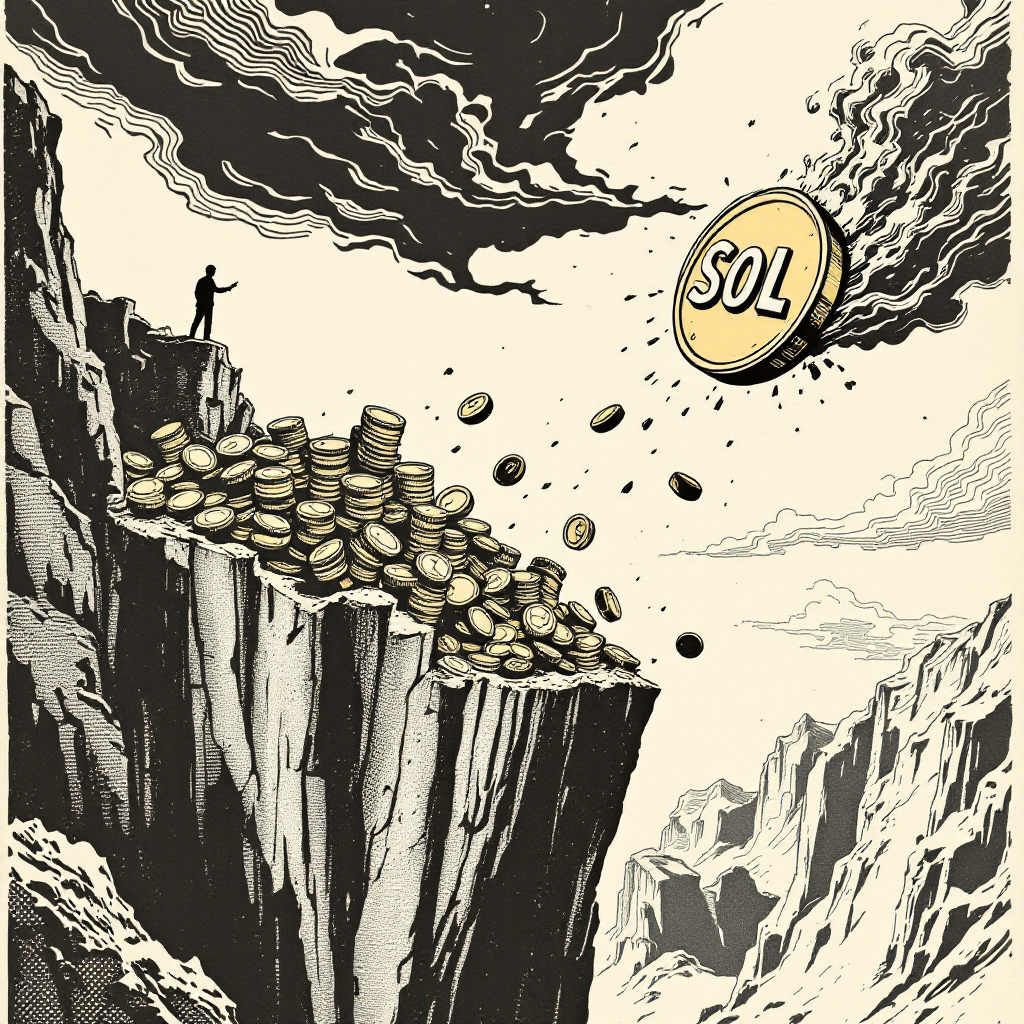
The Solana Foundation, in partnership with @tokens, has announced the public launch of the Assets API, a unified asset layer now available to all Solana builders. The API sources, normalizes, and filters every asset on Solana, including those with offchain liquidity sources, and is already integrated by more than 90 products such as Phantom and DFlow.
According to the Foundation, the Assets API addresses the complexity of building applications that use real-world assets like TSLA or BTC on Solana. By providing a single, trustworthy interface, the API reduces the need for custom integrations and enables developers to access a standardized asset registry. This is expected to lower technical barriers and accelerate the pace of new product launches across the ecosystem.
The launch comes at a time when Solana’s developer community is expanding rapidly, with increased demand for robust infrastructure and composable primitives. The API’s adoption by leading wallets and DeFi protocols signals strong market validation and a maturing stack for asset management on Solana.
For users, the new API promises improved reliability and asset discovery across wallets, DEXs, and portfolio trackers. Builders can now focus on product innovation rather than maintaining fragmented asset lists or reconciling disparate data sources.
The Foundation encourages all developers to explore the API and expects further integrations in the coming weeks. The move is seen as a key step in cementing Solana’s position as a leading programmable asset platform.